
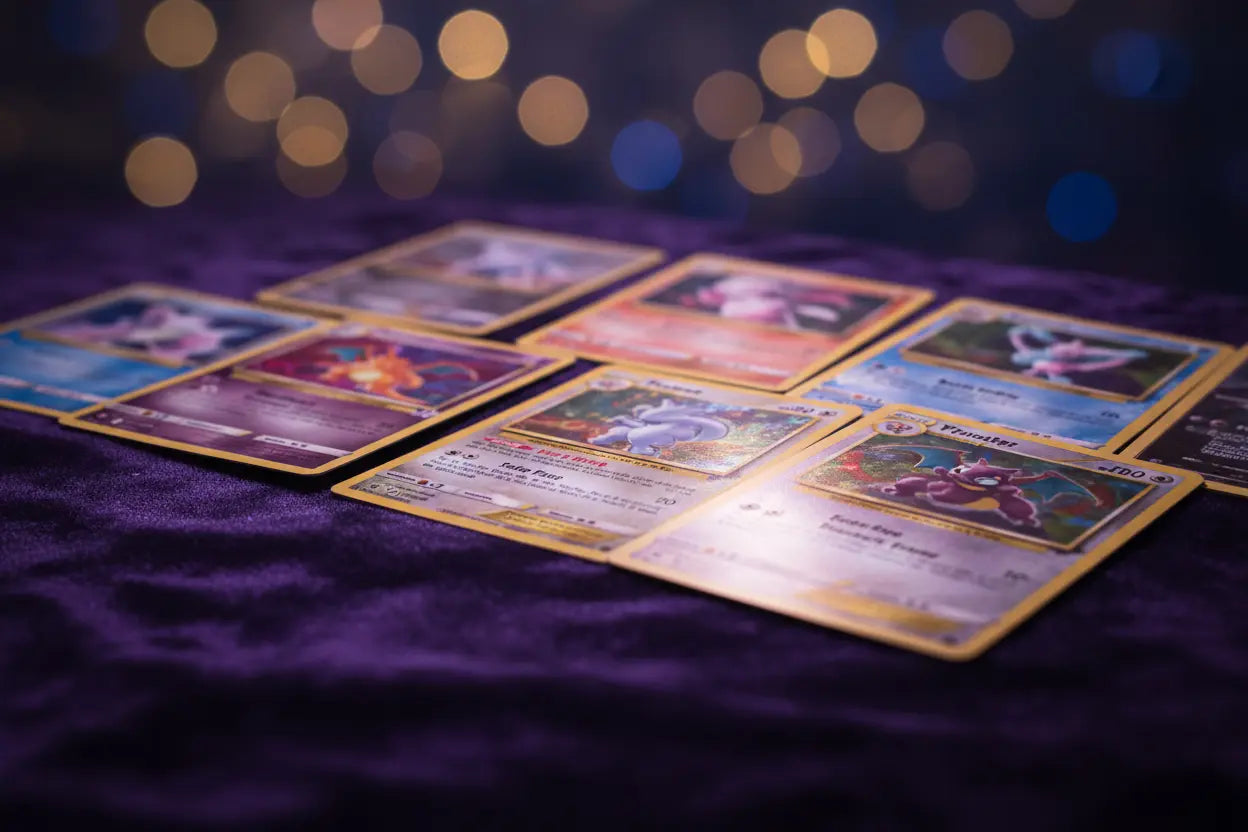
Owning valuable Pokémon cards can turn a simple hobby into a lucrative investment. Whether you're a seasoned collector or a fan eager to better understand this market, learning to recognize rare and valuable cards is essential. This guide will reveal the hidden treasures of the Pokémon world, how to appraise your cards, where to sell them, and what trends are currently influencing their value.
What are the rarest old Pokémon cards in 2026?
Iconic old Pokémon cards hold a significant place in the history of the collectible card game. Those that have become ultra-rare over time are often first editions, released in limited quantities or reserved for specific events. For example, the Pokémon Illustrator card, created to reward drawing contest winners, is considered the most sought-after card in the world, with rare copies reaching several million euros. Similarly, the Prototype Blastoise is a unique card, designed for testing purposes and never officially commercialized, making it almost priceless. These cards have shaped the current market, where their rarity and prestige dictate record values, reminding us of the historical and emotional importance attached to these rare pieces.
How to determine if my Pokémon cards are valuable?
To determine if your Pokémon cards are valuable, several criteria are essential. The card's condition is paramount, with classifications like Mint or Near Mint greatly influencing the price. Next, the edition plays a crucial role: a first edition is always more valuable than a re-release. Rarity is also assessed via specific symbols and special series. Grading by organizations like PSA or Beckett is recommended to authenticate and certify the condition of your cards. To identify these special editions, examine the corners, the presence of a first edition logo, and compare your cards to online references. Also check their value against reliable databases or with experienced collectors to better understand their potential worth.
Rare and valuable Pokémon cards to know
In 2026, several rare and valuable cards are particularly sought after by collectors. Among them, the famous First Edition Charizard remains an essential symbol, prized for its power and rarity. Tournament cards like the Victory Orb are among the unique treasures. Rayquaza Gold Star cards are ultra-rare due to their design and limited print run, as is the LP Key Card distributed at special events. Some exclusive promos, like the Magikarp Tamamushi University, are difficult to find, making them coveted pieces. These cards tell a unique story and demonstrate the strategic development of Pokémon campaigns, reinforcing their value and mystique.
Pokémon cards in perfect condition: why conditioning matters so much
The physical condition of a card is a decisive factor in its value. Cards classified as Mint or Near Mint, free from scratches, creases, or discoloration, can see their price multiplied by ten or more. For example, a First Edition Charizard in perfect condition can fetch astronomical sums, while the same damaged copy significantly loses value. Collectors invest in protections like rigid cases to keep their cards intact. This care guarantees better resale and preserves the history of the Pokémon you own.
Pokémon cards from advertising campaigns and drawing contests
Some cards come from advertising campaigns or drawing contests, which makes them even rarer. Among them, the Ishihara GX Promo, created in homage to the founder of The Pokémon Company, is extremely sought after. The Magikarp Tamamushi University was distributed only during a unique contest in Japan, amplifying its rarity. These cards have a limited print run, linked to a specific historical context. Their value increases because they embody the spirit of collecting, blending history and exclusivity.
Tournament Pokémon cards: unique and high-value trophies
Pokémon tournaments distribute trophy cards, sometimes unique, which are master pieces very difficult to find. For example, the famous No. 1 Trainer given to World Championship winners has become almost impossible to find on the market. The LP Key Card is also a strong symbol, linked to the best competitive performances. Their value lies in their extreme rarity and their trophy status, making them a Holy Grail for any serious collector. Their acquisition often requires many years of effort or luck.
Holographic and Gold Star Pokémon cards: what are the differences and value?
Holographic cards catch everyone's eye thanks to their shiny finish and unique reflections, highly prized by collectors. Gold Star cards are an even more special subcategory, characterized by a golden star and a shiny Pokémon rarely available in these versions. In terms of rarity, Gold Star cards often surpass classic holographic ones and can reach higher prices. Prized examples include the Rayquaza Gold Star and other legendary shiny Pokémon. These differences influence demand and the final price.
Where and how to sell my Pokémon cards for the best price?
To sell your Pokémon cards for the best price, prioritize specialized and recognized platforms, such as online auctions, certain dedicated websites, or collector conventions. Before selling, ensure the card is certified by an organization like PSA or Beckett to reassure buyers. Present it in immaculate condition, with a clear photo and detailed description. Prefer secure transactions via recognized services to avoid fraud. Finally, follow market trends and sell when demand is highest to maximize your profits.
Record sales figures for the most valuable Pokémon cards
Among the famous sales records, the Pokémon Illustrator card exceeds 5 million euros, a price motivated by its extreme rarity and unique history. Other rare cards have sold for several hundred thousand euros, such as the Prototype Blastoise or certain World Championship cards. These amounts reflect the growing enthusiasm and speculation around this market. It is important to note that these prices evolve over time, influenced by demand, card condition, and collector trends.
International Pokémon cards and special editions: price variations
The Pokémon card market is also influenced by their origin and edition. International cards, especially Japanese or American ones, often feature different visuals and varying print runs. These distinctions can increase their value among collectors looking for rare pieces, such as certain limited Japanese editions of the Skyridge set. Acquiring foreign cards can then complete a collection and offer significant added value, their rarity depending as much on the print run as on the country of origin.